Fixture Plumbing
Repairing and replacing taps, toilets, basins, sinks, showers and appliance connections, including the valves and wastes behind them.
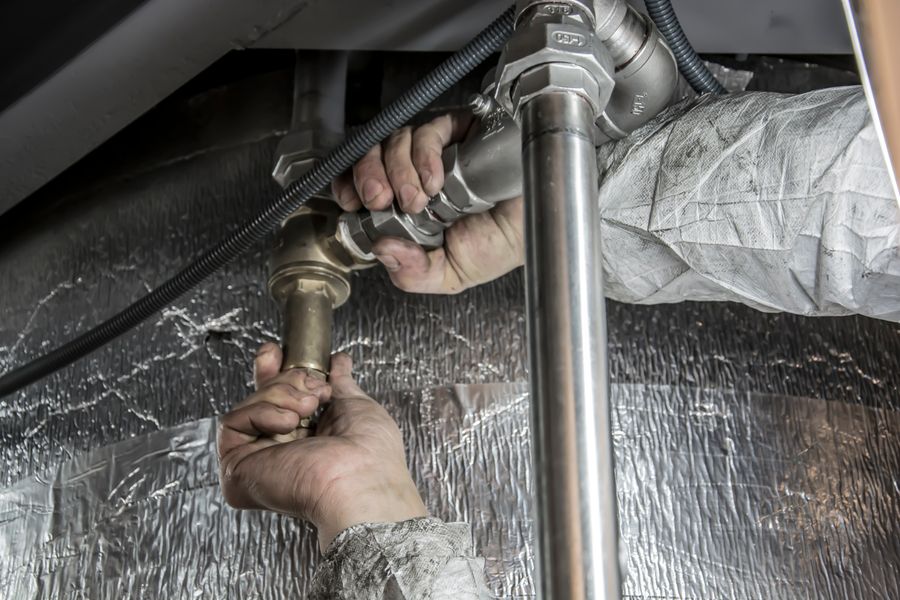
Fixtures are where plumbing is actually used, so they are where wear shows first. A dripping tap, a toilet that runs between flushes, a shower that swings between hot and cold: all are ordinary component wear, and all waste water continuously until they are dealt with.
Fixture work also includes the parts that are not visible: isolation valves, supply connectors, traps, waste arms and the seals between the fixture and the surface it sits on.
Symptoms
Signs this is the right service
- A tap that drips after being closed firmly, or a handle that must be held in position
- A toilet that refills periodically without being used
- A weak or incomplete flush, or a cistern that fills very slowly
- Shower temperature that changes when another outlet is used
- Damp or staining in the cabinet beneath a basin or sink
What the work covers
Methods and scope
Which method applies depends on what the system is doing, the materials involved and the condition of the pipework.
- Tap and mixer repair
- Cartridges, ceramic discs, seats and O-rings are the usual wear items. Replacing them restores a serviceable tap; badly worn or obsolete bodies are replaced instead.
- Toilet repairs
- Fill valves, flush valves, flapper or drop valve seals, cistern-to-pan gaskets and the floor seal each cause distinct symptoms, from silent leaks to weak flushes and base seepage.
- Shower and bath valves
- Thermostatic and pressure-balancing valves protect against temperature swings. Cartridges scale up over time, and diverters and shower arms are replaced as part of the same work.
- Fixture and appliance installation
- Setting basins, sinks, toilets and shower units, and connecting dishwashers, washing machines and waste disposal units with proper isolation, trap arrangement and air-gap or anti-siphon provision.
Process
How the work is sequenced
Identify the component
Most fixture faults are traced to one part; identifying it avoids replacing an entire fixture that is still serviceable.
Check isolation
Working isolation valves make the repair, and every future one, quicker and less disruptive, so failed valves are replaced at the same time.
Repair or replace
Wear parts are renewed where the fixture body is sound; corroded, cracked or obsolete fixtures are replaced.
Test under normal use
Fill, flush and drain cycles are run and the connections checked for movement and seepage.
Leave the area clean
Old parts and packaging are removed and the work area is wiped down before the job is closed out.
Questions